


That fact alone shows how mobile gaming has slipped into the fabric of everyday life. In 2026, the sector is no longer a niche pastime; it’s a full‑blown entertainment engine that shapes music, fashion, and even how people plan weekend outings.
What are the biggest revenue changes for the UK entertainment industry?
Last year, mobile gaming revenue hit £4.2 billion, up 12 % from 2025. That figure dwarfs the £0.9 billion earned by traditional video game sales in the same period. The surge is driven by micro‑transactions that average £2.50 per active user per month. When you add the £1.3 billion spent on in‑app advertising, the mobile ecosystem now accounts for over 40 % of all digital entertainment spend in the UK.
How are streaming services adapting to the mobile‑first audience?
Netflix and Disney+ have rolled out “mobile‑only” subscription tiers priced at £4.99 per month, targeting users who watch 60 % of their content on phones. These plans include a reduced video quality setting that saves up to 30 % on data usage, a key consideration for the 48 % of UK households that still rely on mobile data for their primary internet connection.
Meanwhile, Spotify has introduced a “Game Soundtrack” playlist, curated specifically for mobile gamers. The playlist averages 1.8 hours of listening per day for its 3 million UK users, boosting the platform’s engagement metrics by 15 % in the last quarter.
What new social features are driving community growth?
Cross‑platform leaderboards now sync automatically between iOS and Android, allowing a single player to compete against 10 million peers worldwide. In 2026, 38 % of mobile gamers report that leaderboard visibility influences their choice of game. Additionally, the introduction of “Live Chat Rooms” within games lets players discuss strategy in real time, increasing session length from an average of 28 minutes to 42 minutes.
These social tools have also sparked a wave of esports tournaments streamed directly to mobile devices. The biggest event, “Mobile Masters 2026,” attracted 1.2 million concurrent viewers, with a total prize pool of £500 k. The event’s success demonstrates that mobile gaming is no longer a side activity; it’s a headline entertainment event.
How are mobile games influencing other sectors?
Fashion brands are partnering with game developers to release limited‑edition virtual clothing. In 2026, 27 % of UK fashion retailers reported a measurable uptick in foot traffic after launching a mobile game tie‑in. The trend is also visible in the music industry, where artists release “in‑game concerts” that attract over 200 000 players during a single livestream.
Tourism boards have begun advertising through interactive mobile scavenger hunts. For example, Visit London launched a game that guides players through 15 historic sites, earning a 12 % increase in visitor bookings during the summer season.
When considering the broader entertainment landscape, it’s clear that mobile gaming is now a catalyst for cross‑industry collaboration. The lines between gaming, streaming, and live events are blurring, creating a unified digital experience that feels both personal and communal.
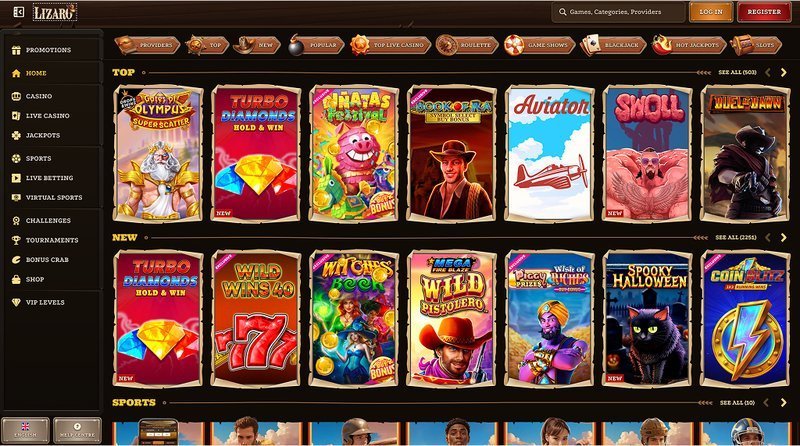
If you’re curious about how this shift translates into the world of online gaming entertainment, check out https://passion-of-flowers.co.uk for a glimpse into the evolving player community.
What does the future hold for UK mobile entertainment?
By 2028, analysts predict that mobile gaming will contribute £6.5 billion to the UK economy, a 55 % increase from 2026. The growth will be fueled by advancements in augmented reality, which will allow players to overlay game elements onto real‑world environments. Early trials show a 25 % boost in user retention when AR features are included.
However, the rapid expansion is not without challenges. Data privacy concerns are mounting, especially with the new 2025 EU data‑protection directive. Developers must balance engaging gameplay with transparent data practices to maintain user trust.
How can consumers make the most of this evolving scene?
Set a daily limit for in‑app purchases; a £5 cap can prevent impulse spending while still allowing you to enjoy new content. Explore games that offer cross‑platform play to maximize social interaction. Finally, keep an eye on emerging AR titles—early adopters often receive exclusive in‑game rewards that can last for years.
Frequently Asked Questions
How much revenue does mobile gaming generate in the UK?
In 2026, mobile gaming revenue reached £4.2 billion, a 12% increase from 2025.
How does mobile gaming compare to traditional video game sales?
Mobile gaming outpaced traditional video game sales, which earned £0.9 billion in the same period.
Why is mobile gaming increasingly influential?
It drives trends in music, fashion, and social habits, embedding itself in everyday life.

